
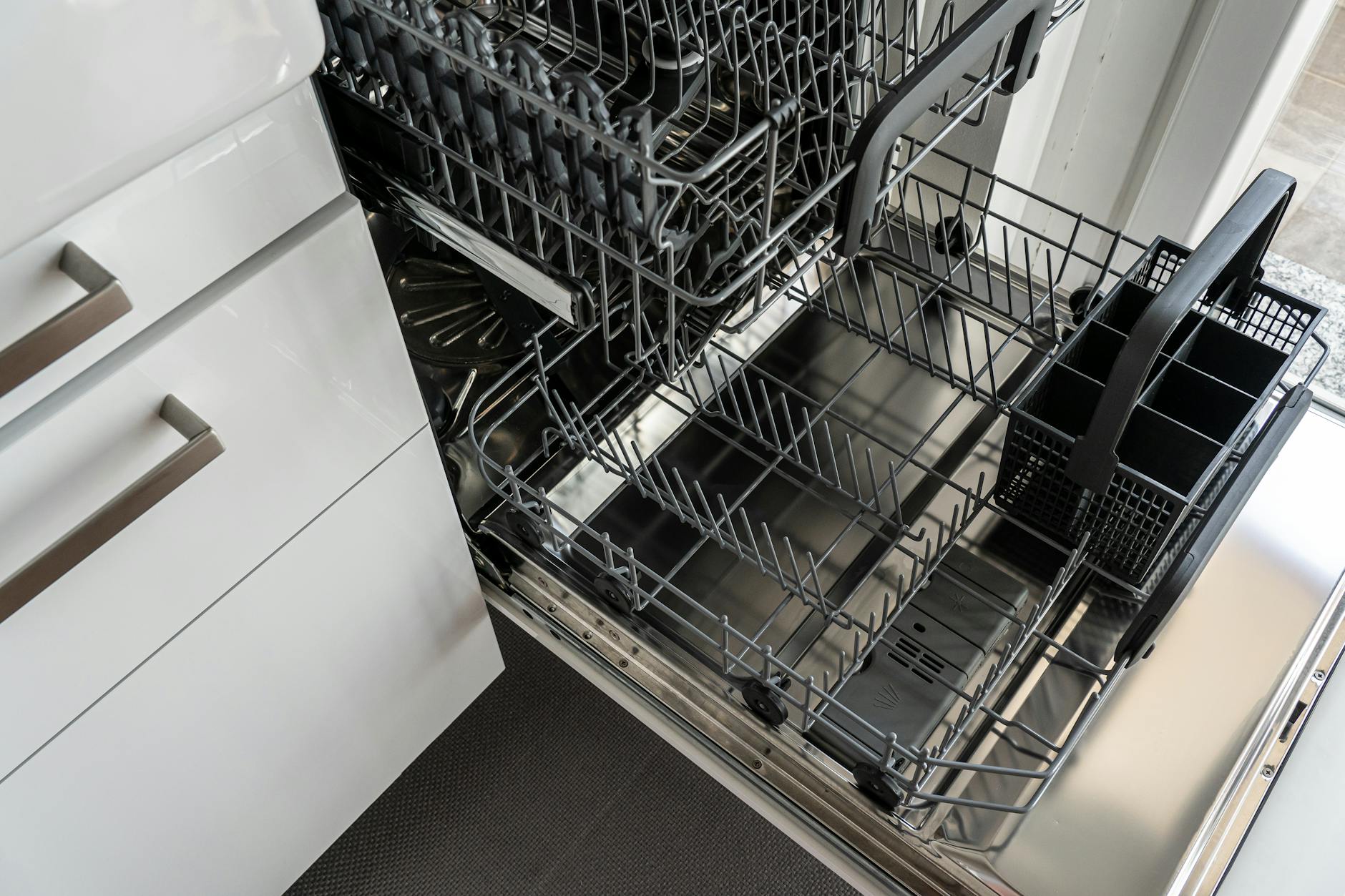
You open the dishwasher to unload clean dishes and notice a roach disappear beneath the door seal or behind the appliance. That sight can be frustrating because the kitchen appears clean, yet insect activity is showing up where you least expect it.
In many cases, cockroaches in dishwasher areas are attracted to moisture, warmth, and food residue that collect around appliances and nearby plumbing. Their presence often points to a larger issue elsewhere in the kitchen. In this guide, you’ll learn what attracts roaches to these areas, where to inspect for signs of activity, and what steps can help keep them from returning.
Key Takeaways About Dishwasher Cockroaches
- Cockroaches may be drawn to your dishwasher by food residue, moisture sources, and the protected hiding places around and beneath the appliance.
- Several cockroach species can appear in Central Florida homes, and proper identification helps determine the right approach to control.
- Keeping dishes clean, wiping down counters, and removing crumbs from around kitchen appliances are important steps for making your home less inviting to roaches.
- A professional pest control approach that relies on targeted bait placement near appliances and hiding spots can address cockroach activity in ways DIY methods cannot.
How to Identify Dishwasher Cockroaches
Finding cockroaches in your dishwasher can be unsettling, but knowing what you are looking at helps you respond with the right approach. Several species may nest near a dishwasher’s warm, moist interior, and each one looks different. Identifying the species matters because treatment approaches vary between types.
How to Tell Cockroach Types Apart in Your Dishwasher
American cockroaches are larger than most indoor species, while German cockroaches are smaller and commonly found in kitchens and bathrooms.
Oriental cockroach males have short wings that do not fully cover the abdomen, while females are completely wingless. Smokybrown cockroaches are reddish-brown to black. The Asian cockroach flies toward light, which distinguishes it from most other cockroach species.
How to Spot Cockroach Activity
Look for dirt-like fecal matter and shed skins around the door seal, filter basket, and drain area. These signs often point to a nearby nest. Cockroach droppings and shed skins can also accumulate along the edges of countertops and inside cabinets adjacent to the appliance.
Where Cockroach Activity Shows Up
Smokybrown cockroaches are the most common cockroach in suburban Southern neighborhoods with mature hardwood trees present. Several outdoor cockroach species found in the Southeast also occasionally enter homes. They can settle near moisture-rich appliances like dishwashers.
Why Cockroach Problems Develop in Your Dishwasher
A dishwasher provides cockroaches with food residue, moisture, and protected hiding places. Understanding why this appliance draws them in helps you take the right steps to reduce the attraction and keep your kitchen less inviting.
Outdoor Nesting Areas for Cockroaches Near Your Dishwasher
Cockroaches often hide in cracks and crevices on the outside of a home before working their way indoors. Gaps around plumbing lines, including the water supply and drain connections that serve your dishwasher, can provide a direct path inside. According to Texas A&M AgriLife Extension, sealing cracks and crevices where cockroaches hide or enter buildings is a key step in reducing pressure.
Food and Shelter That Attract Cockroaches to Your Dishwasher
Cockroaches need access to food residue, moisture sources, and protected harborage areas to thrive, and a kitchen that provides those resources can sustain ongoing activity. Even tiny crumbs or liquids can attract them. A dishwasher that sits with a finished cycle overnight, or one loaded with dirty dishes waiting to run, provides a warm, moist space with easy access to food residue.
Dirty dishes left on counters or in sinks add to the problem. You should clean up leftovers right away and not allow dirty dishes to remain out. Pick up uneaten pet food between meals and store it in an airtight container.
How Cockroaches Get Into Your Dishwasher
Once cockroaches find a reliable food source, they tend to expand into nearby cracks, crevices, and voids. The area behind kitchen appliances is a common gathering point. Vacuuming indoor cracks and crevices after each meal and cleaning behind kitchen appliances helps remove the food traces that draw them deeper into your home.
Floors and counters also need regular attention. Even a small spill near the dishwasher can sustain cockroach activity in the surrounding area.
Trails and Entry Points Cockroaches Use
Cockroaches follow gaps around sinks and plumbing, walls, and kitchen splash guards to reach your dishwasher. These narrow routes double as hiding spots during the day. Using a good-quality caulk or sealant to close gaps around sinks and plumbing, in walls, and along kitchen splash guards cuts off the paths cockroaches rely on.
Fixing water leaks is equally important. Leaking pipes or faucets near the dishwasher create moisture sources that make the area even more appealing.
Risks From Cockroaches in Dishwashers
A dishwasher offers cockroaches exactly what they look for: favorable conditions, moisture, and access to food residue. When these pests settle into or around your dishwasher, the risks extend beyond the nuisance factor. Understanding what is at stake helps you decide how quickly to act.
Health Risks Linked to Cockroaches
Cockroaches consume rotting, bacteria-laden biological matter and then travel across the surfaces you use every day. These pests spread disease-causing organisms over countertops, kitchen tables, and stored foods. Diseases linked to cockroach activity include dysentery, salmonellosis, typhoid fever, cholera, gastroenteritis, and food poisoning, among others.
Cockroach shed skins and fecal matter release particulates into the air that can trigger breathing problems, especially for anyone with asthma or respiratory issues. The prevalence of cockroach allergy ranges from 17 to 41 percent in studies of children and adults.
Property Damage From Cockroaches
Cockroaches hide in tight spaces such as cabinets, under appliances, along baseboards, and inside cracks and crevices. Treatments must reach these hiding spots because the pests will not be affected while protected inside egg cases. A dishwasher’s rubber gaskets, door seals, and interior gaps give cockroaches sheltered harborage that can be difficult to inspect and treat without professional help.
Food Areas and Cockroach Activity
Dirty dishes left out overnight, along with crumbs, food scraps, and grease on surfaces, give cockroaches a steady food supply. As Kansas State University Extension notes, all food, including pet food, should be kept in insect-proof containers, and garbage should be closed in plastic containers and removed from the dwelling frequently. A dishwasher loaded with soiled plates but not run right away can become a feeding station for these pests.
Dusts and other treatment products must never be applied on countertops or shelves where they can contaminate surfaces contacted by dishes, food containers, or utensils. Misapplied products near a dishwasher area can create new problems rather than solving existing ones.
When to Look Closer at Cockroach Activity
If you spot even one cockroach near your dishwasher, it is worth investigating further. Checking under the appliance, along adjacent baseboards, and inside nearby cabinets can reveal whether the problem extends beyond what you first noticed.
Professional Pest Control for Cockroaches
A cockroach infestation around your dishwasher often points to a broader problem in the kitchen. The warm, humid environment inside and behind the unit provides moisture sources and food residue that support cockroach activity. Addressing the issue means combining daily habits with an inspection of every crack, seal, and gap around the appliance and a treatment approach matched to the species found.
How to Reduce Conditions That Attract Cockroaches
Wash dishes daily and avoid leaving food out in the open on counters or tables. Vacuum floors daily, and pull out and clean behind large kitchen appliances. Limit food consumption in your home to the kitchen and dining areas. These sanitation steps remove the resources that attract cockroaches to kitchen appliances in the first place.
Seal holes or crevices around walls or doors. Cockroaches can travel from neighboring apartments and rooms into your home through holes and cracks. Check around plumbing lines that run to and from the dishwasher, and place covers on vents and drains to reduce entry points.
Why Cockroach Control Starts With Inspection
Before any treatment, a careful inspection helps confirm the scope of the infestation. You can detect a cockroach infestation by using a flashlight to inspect cracks, underneath counters, around water heaters, and in other dark locations. Pay close attention to the area behind and beneath the appliance, along plumbing connections, and inside adjacent cabinets.
Rowland Pest Management technicians have access to microscopes at the office, which helps confirm the target pest is accurate and avoids unnecessary treatments. Knowing whether you are dealing with German cockroaches or another species shapes the entire treatment plan.
What to Expect During Professional Cockroach Treatment
Baits are far more suited to German cockroach infestations than sprays. As Texas A&M AgriLife Extension notes, sprays are not nearly as effective as baits for addressing German cockroach infestations. With a bait-focused treatment, bait is placed near nesting areas, and the roaches carry it back to the colony, including to the young.
Traps alone do not provide sufficient control of well-established cockroach infestations. For those situations, a combination of vacuuming and bait may be needed. Sprays should not be necessary when an integrated program of sanitation, exclusion, and appropriate baits and dusts is followed. Rowland Pest Management tries to use as few sprays as possible inside a house for the safety of children and pets.
What to Expect From a Cockroach Control Plan
For German cockroach infestations, the initial service from Rowland Pest Management includes a two-week follow-up. If the technician feels a fourth-week follow-up is needed, it is provided at no additional cost. Afterward, quarterly service takes effect to help maintain results over time.
In moderate to heavy German cockroach infestations, as many as 12 to 15 bait stations may be needed in a standard-sized home. Your technician will determine the right number of placements based on activity levels found during inspection.
For cockroaches that come from the outside of the house, Rowland Pest Management does not charge extra to seal up a few holes in the side of the house if those are suspected entry points. This exclusion work pairs with the ongoing treatment plan to address the infestation from multiple angles.
Cockroaches in Dishwasher: Bottom Line
A dishwasher can provide the moisture sources, food residue, and harborage areas that allow cockroaches to stay active inside a kitchen. Keeping the area around and under your dishwasher clean, sealing gaps in walls and cabinetry, and addressing any plumbing leaks can reduce the conditions that attract them. When roaches become established, a bait-based approach is the current industry standard and works well because roaches carry the bait back and spread it through the group.
If you spot cockroaches in or around your dishwasher, contact Rowland Pest Management to schedule an inspection and get a targeted treatment plan for your home.
Frequently Asked Questions
Why do cockroaches hide in dishwashers?
Dishwashers combine warmth, standing moisture, and small food particles, all things cockroaches seek out. The tight gaps around hoses and mounting points also give roaches sheltered entry from adjacent wall cavities or cabinets.
How can I prevent cockroaches around my dishwasher?
Wash dishes daily rather than letting them sit in the machine. Seal holes or crevices around walls and doors, since cockroaches can travel from neighboring spaces through these openings. Make sure hoses and connections are leak-free so excess moisture does not build up.
What types of cockroaches might I find in my kitchen?
Central Florida homes may encounter several cockroach species, including German, American, brown-banded, and Australian cockroaches. German cockroaches are the species most often associated with kitchens and indoor infestations.
How does professional cockroach treatment work?
Rowland Pest Management uses a bait-based method for indoor cockroach control. Your technician places bait near hiding areas, and roaches carry it back to feed others in the group. For German cockroach infestations, the initial service includes a two-week follow-up, with an additional visit at no extra cost if the technician determines one is needed. Quarterly service follows to help maintain results.